Governance Framework
The African–US Organization for Diplomatic Relations and Human Rights (AUSDRHR) operates under a structured and transparent governance framework aligned with international best practices used by:
- UN-affiliated organizations
- International NGOs
- Human rights monitoring bodies
- Global diplomatic institutions
- Our governance system ensures accountability, neutrality, and integrity throughout all operations.
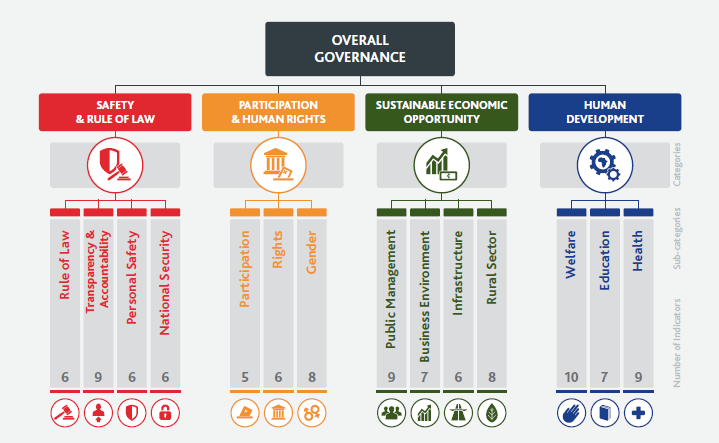

Organizational Structure
A. Executive Leadership
Responsible for strategic oversight, institutional direction, and international representation.
B. Board of Directors
Provides supervisory authority, approves high-level policies, and oversees compliance with international standards.
C. Advisory Councils
Formed from diplomats, legal experts, academics, and human rights specialists to guide the organization’s strategic decisions.

D. Regional and Country Offices
Operate under delegated authority and follow unified governance protocols and reporting procedures.
E. Independent Oversight Ethics
Ensures internal accountability, investigates complaints, monitors compliance, and enforces ethical governance.
Principles of Governance
Integrity
Adhering to ethical conduct, professionalism, and responsible decision-making.
Neutrality
Remaining independent from political agendas, armed groups, and conflicting parties.
Transparency
Ensuring clarity in our decision-making processes, finances, and operational mandates.
Rule of Law
Operating in full alignment with international humanitarian and human rights law.
Accountability
Maintaining responsibility to our members, partners, and the public.
Participation
Encouraging meaningful inclusion of stakeholders, experts, and civil society in policy development.
Transparency Mechanisms
Non-confidential information is available to the public and partners to enhance trust and credibility.
B. Open Data AccessRegular internal audits ensure integrity of financial management and program implementation.
C. Internal AuditsIndependent international auditors and observers periodically evaluate the organization’s performance.
D. External ReviewsA secure reporting mechanism allows: Submission of complaints Reporting violations Providing feedback on staff, processes, or decisions All submissions are reviewed with confidentiality and impartiality.
E. Complaint & Feedback SystemFinancial Governance Budgeting
Resources are allocated through a structured annual budgeting process supervised by the Board and Oversight Committee.
Funding Sources
Funding comes from:
Membership fees
Institutional contributions
Grants
Partnerships
Donations (subject to compliance checks)
Financial Compliance
All financial operations comply with:
Decision-Making Process
Evidence-Based Decisions
Policies and strategies are shaped by research, verified data, and expert consultation.
Consultative Approach
Stakeholders, field teams, and experts contribute to policy formation.
Consensus Building
Diplomatic and rights-related decisions prioritize consensus, neutrality, and proportionality.
Documentation
All decisions are formally recorded to ensure future transparency and institutional memory.
Code of Ethics
All staff, members, and partners must adhere to:
Compliance with International Standards
AUSDRHR aligns its governance with major international reference frameworks, including:
- UN Charter (1945)
- Universal Declaration of Human Rights (1948)
- ICCPR & ICESCR (1966)
- Vienna Convention on Diplomatic Relations (1961)
- UN Guidelines for NGOs & Civil Society Partnership (2021)
- International humanitarian and human rights treaties

The African–US Organization for Diplomatic Relations and Human Rights
is an independent, non-profit organization officially registered in the United States of America, operating as a transcontinental international platform dedicated to diplomacy, human rights protection, and international cooperation.
Company
Quick Links
Contact
+249 12 674 0604
+1 234-385-9740
Registration@ausodrhr.org
info@ausodrhr.org
Mohammed.osman@ausodrhr.org
Faisal.adam@ausodrhr.org
Tarek.ragab@ausodrhr.org
30N GOULD ST – STE R Sheridan, Wyoming United States
Khartoum. Sudan
We publish annual, financial, and operational reports detailing: Activities Expenses Mission outcomes Compliance evaluations
A. Publication of Reports